


5 Maintenance Best Practices for Extend the Lifespan of Heavy Machinery: Loaders, Excavators, and Forklifts
Introduction
In today’s competitive construction, mining, and material handling sectors, machinery availability directly dictates profitability. Unplanned equipment breakdowns do far more than disrupt project timelines—they drain capital through emergency repair costs, idle labor wages, and missed contract deadlines. Industry research emphasizes that a reactive "run-to-failure" strategy is significantly more costly than a structured preventative program. As severe machinery expert and safety scholar Dr. James Reason famously noted regarding industrial risk management, "Proactive systems address minor flaws before they aggregate into catastrophic failure events." Transitioning from emergency repairs to disciplined maintenance is the single most effective way to protect your balance sheet.
Maintaining heavy equipment requires a tailored approach depending on the mechanical architecture and operational demands of each machine type. Whether operating a high-capacity Wheel Loader shifting heavy aggregate in a quarry, a high-reach Excavator performing deep trenching on a civil job site, or a industrial Forklift executing continuous material transport inside a busy logistics warehouse, every machine relies on rigorous maintenance discipline. While their functions differ, these essential industrial assets share core vulnerabilities—such as high-pressure hydraulics, internal combustion powertrains, and friction-wear pivot points—that demand systematic daily care.
The objective of this comprehensive guide is to outline 5 field-tested, highly effective maintenance best practices designed specifically for heavy equipment operators and fleet managers. By implementing these actionable routines across your fleet, you will effectively extend machine service life, minimize unplanned downtime, optimize resale values on the secondary market, and guarantee uncompromising job-site safety for your operators.
Best Practice 1: Master Routine Daily Inspections & Fluid Level Checks
Executing a thorough pre-operation inspection before every shift is the first line of defense against premature mechanical failure. A quick 10-minute walkaround allows operators to identify wear indicators and minor leaks before they escalate into catastrophic component destruction. As heavy equipment reliability expert Heinz P. Bloch emphasized in his foundational work on machinery performance, "Careful observation and early detection during routine inspections prevent over 80% of major mechanical breakdowns." Establishing a disciplined inspection routine safeguards both machine longevity and site safety.
Comprehensive Visual Pre-Operation Walkarounds
A proper inspection requires a systematic visual audit tailored to the specific mechanical anatomy of each machine type:
- Excavator and Wheel Loader Inspections: Operators must rigorously examine hydraulic hoses for signs of abrasion, bulging, or weeping fluid. Check cylinder rods for scoring, rust, or leaking wiper seals on the boom, arm, and bucket assemblies. On a Wheel Loader, inspect the articulation joint pins, steering cylinders, and frame lock bars. For an Excavator, inspect the swing circle gear, track tensioning units, and bucket tooth retainers to ensure all ground-engaging tools are secure.
- Forklift Specific Checks: Focus heavily on the primary load-lifting structures. Inspect the Forklift mast channels for debris accumulation, check lifting chains for stretch, crack formation, or uneven tension, and verify that the carriage side-shifter operates smoothly. Additionally, check the condition of the overhead guard welds, load backrest extension, and ensure the fork tines show no signs of bending, heel wear, or surface cracks.
Fluid Management Essentials
Fluids are the lifeblood of heavy industrial equipment, functioning as coolants, lubricants, and power transmission mediums. Running a machine with degraded or insufficient fluids guarantees accelerated component friction and thermal breakdown.
- Daily Fluid Level Audits: Before starting the engine, check engine oil, hydraulic reservoir levels, engine coolant, transmission fluid, and brake fluid across all assets. Ensure the machine is parked on level ground with attachments lowered to accurately read sight glasses and dipsticks.
- The Danger of Contamination: Fluid levels alone are not enough—fluid quality is equally vital. Dark, burnt-smelling hydraulic oil, milky coolant (indicating oil cross-contamination), or grimy dipsticks point to severe internal wear or seal failure. Operating a Wheel Loader, Excavator, or Forklift with contaminated or depleted fluids dramatically accelerates pump cavitation, valve scoring, and engine bearing failure, leading to expensive overhaul bills.
Best Practice 2: Implement Rigorous Lubrication and Grease Schedules
Friction is the primary enemy of structural steel linkages and rotating mechanical joints. Without continuous, high-grade lubrication, heavy steel components grinding directly against one another generate immense heat, causing rapid metal degradation, pin play, and structural misalignment. As tribology and machinery reliability expert E. Richard Booser famously noted, "Proper lubrication is not merely an operational convenience; it is the fundamental boundary that prevents structural destruction under heavy mechanical loads." Implementing a strict, uncompromising greasing schedule is essential for maintaining mechanical tolerances across your entire fleet.
High-Friction Pivot Points
Different heavy machinery configurations concentrate extreme force on specific pivot joints, requiring targeted daily and weekly greasing points:
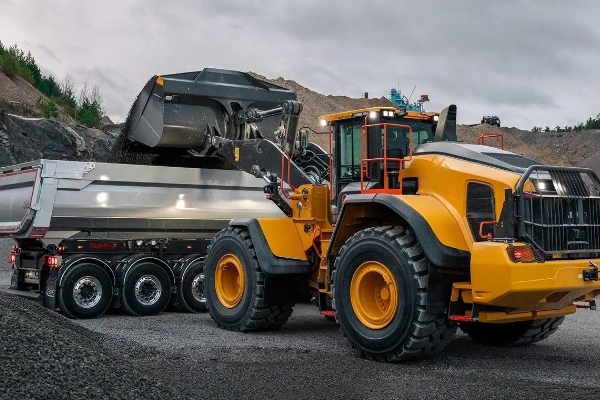
- Excavators and Wheel Loaders: High-load digging and lifting cycle tasks place tremendous stress on linkage joints. For an Excavator, grease all boom foot pins, arm linkages, bucket cylinder pivots, and the main swing bearing gear daily. On a Wheel Loader, priority greasing must be applied to the front loader arm pins, bucket tilt linkages, center articulation hinge pins, and steering cylinder joints to prevent costly pin and bushing replacement.
- Forklift Assemblies: Industrial and rough-terrain Forklift models require consistent lubrication along the vertical mast upright channels, lift chain rollers, tilt cylinder mounting pins, and side-shifter slide rails. Additionally, steering axle kingpins and wheel bearings must be lubricated regularly to ensure smooth maneuvering under full mast loads.
Selecting the Correct Greases and Oils
Using generic grease across all equipment is a major maintenance mistake. Fleet managers must select lubricants that strictly match original equipment manufacturer (OEM) specifications and real-world working environments:
- NLGI Grade and Additives: High-impact earthmoving machinery operating under extreme pressure requires heavy-duty lithium complex or calcium sulfonate greases fortified with Molybdenum Disulfide (Moly) to withstand shock loads.
- Seasonal Temperature Adaptations: Hydraulic oils and grease viscosities must be adjusted according to operating climate—using lighter viscosity oils in freezing ambient conditions to prevent hydraulic pump cavitation, and higher viscosity lubricants in intense summer heat to maintain oil film thickness.
Establishing Standard Operating Procedures (SOPs)
To ensure no grease fitting (zerk) is overlooked, job-site managers should establish clear Standard Operating Procedures. Operators should follow a standardized "purge and wipe" method—cleaning dirt off grease zerks before pumping fresh grease until clean grease purges from the seal edge, removing dust-accumulating excess afterward. Maintaining clear, color-coded daily and weekly lubrication logs ensures that every Wheel Loader, Excavator, and Forklift stays perfectly protected against friction wear.
Best Practice 3: Maintain Air Filters, Fuel Systems, and Cooling Pack Efficiency
Internal combustion engines and heavy hydraulic circuits generate enormous internal heat and rely on clean air and fuel to maintain peak combustion efficiency. Operating machinery in dusty or demanding environments without adequate filtration and thermal management quickly leads to power loss, excessive fuel consumption, and severe internal component scoring. As internal combustion engine reliability expert Dr. Gordon P. Blair emphasized in his research on engine performance, "Airflow purity and precise thermal regulation are the two absolute pillars that dictate whether an engine reaches its intended operating life or suffers early internal failure." Keeping intake, fuel, and cooling systems clean is paramount to preserving machine performance.
Clean Air for Heavy Engines
Earthmoving and material handling job sites are inherently dust-heavy environments. Intaking fine silica dust particles into engine cylinders acts like abrasive sandpaper against piston rings and cylinder liners.
- Air Filter Care on Active Job Sites: On high-dust worksites where a Wheel Loader loads crushed rock or an Excavator performs heavy trenching, primary air intake filters can clog rapidly. Operators must inspect air filter indicator gauges daily.
- Cleaning and Replacement Protocol: Never bang air filters against machine tires or hard surfaces, as this cracks the filter media and allows dust directly into the turbocharger. Clean primary elements gently using dry, low-pressure compressed air blowing from the inside out, and replace outer and inner safety elements strictly according to recommended service hours.
Fuel System Longevity
Modern diesel engines rely on high-pressure common-rail (HPCR) fuel injection systems operating under extreme pressure. Even microscopic water droplets or dirt particles in diesel fuel can ruin expensive fuel injectors and high-pressure fuel pumps.
- Water Separator Maintenance: Drain the primary fuel filter water separator bowl daily to clear accumulated condensation before starting the machine.
- Filter Replacement Schedules: Replace primary and secondary fuel filters regularly across all diesel-powered equipment. Utilizing low-quality or overdue fuel filters invites fuel system corrosion, erratic engine idling, and premature pump failure.
Cooling System Hygiene
Overheating is one of the leading causes of blown head gaskets, cracked engine blocks, and hydraulic pump degradation in heavy industrial equipment.
- Radiator and Cooler Maintenance: Radiator cores, hydraulic oil coolers, and intercoolers on a diesel Forklift, Wheel Loader, or Excavator routinely trap blowing dust, grass, mud, and chaff.
- Debris Removal Routine: Blow out accumulated dirt and debris using low-pressure compressed air or water pressure directed opposite to the fan airflow. Keeping heat exchanger fins clean ensures efficient engine and hydraulic cooling, allowing your machinery to operate reliably under full load during extreme summer ambient temperatures.
Best Practice 4: Inspect Undercarriage, Tires, and Structural Wear Points
The ground-engaging components of heavy machinery bear the weight of the entire vehicle and absorb continuous shock loads from harsh terrain. Neglecting undercarriages, tires, and frame wear points leads to severe operational inefficiencies, high fuel consumption, and costly structural failure. As heavy machinery structural engineer David A. Campbell noted in his technical treatises on heavy vehicle mechanics, "The interface between a heavy machine and the ground represents up to 50% of its total lifetime maintenance costs; rigorous inspection of these contact points is vital for operational profit." Keeping your chassis and tires in optimal condition is critical for maximum stability and traction.
Excavator Undercarriage Care
The undercarriage of a crawler machine accounts for a major portion of its total repair lifecycle costs. Systematic maintenance of track components ensures smooth travel and prevents premature track shedding.
- Track Tension Optimization: Regularly measure track sagging on compact and crawler Excavator models. Tracks that are too tight create excessive friction, accelerating wear on sprockets, idlers, and carrier rollers, while overly loose tracks can easily derail during sharp turns on slopes.
- Component Wear Audits: Regularly inspect track shoes, drive sprocket teeth, bottom rollers, and front idler guides for metal cracking, flat spots, or missing bolts. If operating rubber-tracked mini excavators, inspect the rubber compound for deep cuts, steel cord exposure, or dry rot. Keep undercarriages clean of dried mud, packed clay, and rocks to prevent roller seize.
Wheel Loader & Forklift Tire Management
Tires directly impact operational stability, payload capacities, fuel economy, and operator safety. Operating heavy vehicles with underinflated or severely worn tires places unnecessary stress on axles, differentials, and drive hubs.
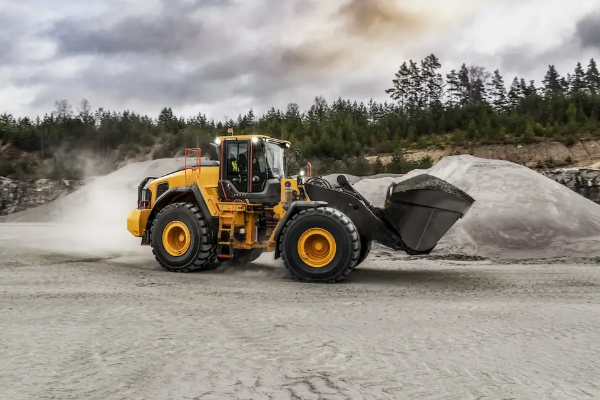
- Wheel Loader Tire Care: Check inflation pressures, tread depths, and wheel lug nut torque daily on every Wheel Loader. Correct cold inflation pressure is crucial—underinflation causes sidewall flexing and excessive heat buildup under heavy bucket loads, whereas overinflation increases the risk of tread punctures from sharp quarry rocks. Inspect the tread pattern for uneven wear, rim flange damage, or severe gouges.
- Forklift Tire Management: On warehouse and rough-terrain Forklift fleets, inspect both solid puncture-proof and pneumatic tires. Look for deep cracks, chunking (pieces of rubber tearing off), embedded metal shavings, and uneven tread wear. Worn or flat-spotted forklift tires significantly compromise chassis stability during high-mast pallet lifting, creating severe tip-over hazards on busy loading docks.
Best Practice 5: Leverage Digital Telematics & Adhere to Scheduled OEM Servicing
Modern heavy machinery maintenance has evolved far beyond manual grease guns and paper logbooks. Today's advanced fleets rely on integrated digital monitoring paired with strict adherence to manufacturer service schedules to achieve maximum equipment uptime. As fleet management technology specialist William C. Moore observed in his studies on asset optimization, "Integrating real-time digital telematics with disciplined factory maintenance schedules shifts fleet management from reactive guesswork to predictive precision, dramatically lowering total cost of ownership." Combining digital intelligence with structured servicing guarantees long-term machinery reliability.
Smart Fleet Management Technology
Onboard telematics systems provide fleet managers with continuous, real-time visibility into machine health, location, and operational efficiency:
- Real-Time Fault Code Diagnostic Alerts: Telematics platforms instantly notify maintenance teams of electronic fault codes, sudden hydraulic pressure drops, or rising engine temperatures across your active Wheel Loader, Excavator, or Forklift units, allowing technicians to intervene before minor mechanical anomalies trigger full system shutdowns.
- Operational Analytics & Idle Time Tracking: Monitoring operating hours, fuel burn rates, and excessive engine idling helps fleet managers optimize work cycles, schedule timely service interventions, and eliminate unnecessary engine wear caused by prolonged idling on job sites.
Strict Adherence to Service Intervals
Factory maintenance schedules provided by Original Equipment Manufacturers (OEMs) are engineered based on thousands of testing hours. Skipping scheduled maintenance milestones to save short-term costs inevitably leads to major component failure.
- 250-Hour Milestone: Perform initial engine oil and filter changes, inspect fuel lines, check belt tensions, and audit cooling fans.
- 500-Hour Milestone: Replace fuel filters, clean/replace primary air filters, inspect hydraulic line connections, and change transmission/axle oil filters across all Wheel Loader and heavy Excavator units.
- 1000-Hour to 2000-Hour Milestones: Conduct comprehensive hydraulic system flushes, replace main hydraulic return line filters, service transmission fluid, re-torque structural frame bolts, and replace spark plugs or fuel injectors on LPG/Diesel Forklift fleets.
Operator Training & Gentle Operation
Even the most meticulous maintenance program can be undone by improper operating habits. Operators who practice smooth, controlled machine handling significantly extend equipment service life:
- Eliminating Destructive Operating Habits: Train operators to avoid abrupt direction changes at high speed, aggressive hydraulic cylinder bottoming, excessive engine revving before reaching operating temperatures, and riding machine brakes.
- Implementing Warm-Up and Cool-Down Cycles: Ensure operators allow engines and hydraulic fluid to idle for 3–5 minutes before starting heavy work cycles, as well as providing a proper cool-down period before shutting down turbocharged diesel engines to prevent thermal shock and oil coking in turbo bearings.
Conclusion
Implementing a disciplined, proactive maintenance strategy is the single most effective investment a business can make to protect its heavy machinery assets. By consistently performing pre-operation inspections, adhering to strict lubrication protocols, maintaining filter and cooling pack hygiene, monitoring high-wear ground-engaging components, and leveraging modern digital telematics alongside scheduled OEM servicing, fleet managers can dramatically reduce costly emergency downtime. This structured approach directly translates into extended equipment service life, enhanced operational safety, and significantly higher resale values when upgrading your fleet.
Shifting your organizational culture from a reactive "break-fix" mindset to a disciplined preventative routine ensures that every Wheel Loader, Excavator, and industrial Forklift in your inventory delivers maximum performance shift after shift. Protect your bottom line, safeguard your operators, and keep your job sites moving forward by making these five maintenance best practices the cornerstone of your daily operations.
Take Action Today to Optimize Your Fleet
Ready to elevate your fleet maintenance program and extend the service life of your equipment? Download our free Heavy Machinery Maintenance Checklist today to equip your operators with clear, daily walkaround protocols.
If you need genuine OEM replacement parts, specialized filters, or technical guidance for your Wheel Loader, Excavator, or Forklift fleet, contact our expert support team today—we are here to keep your machines running at peak efficiency!
Frequently Asked Questions (FAQ) About Heavy Machinery Maintenance
Q1: How often should hydraulic fluid be changed in a Wheel Loader, Excavator, or Forklift?
Hydraulic oil service intervals generally range between 1,000 to 2,000 operating hours, depending on OEM specifications, operating environment, and oil type. However, hydraulic filters should typically be replaced every 500 hours. Conducting routine fluid sampling (oil analysis) every 250 to 500 hours is best practice to monitor fluid viscosity, oxidation, and microscopic metal wear before determining if a full fluid drain and flush is required.
Q2: What are the most common signs of hydraulic system failure in earthmoving machinery?
Early warning signs of hydraulic failure include slow or sluggish attachment response times, unusual whining or knocking noises coming from the main pump (cavitation), excessively high hydraulic fluid temperatures, erratic cylinder movements, and foamy or discolored hydraulic oil in the sight glass. Addressing these symptoms immediately prevents complete pump destruction.
Q3: Why is daily greasing necessary for heavy equipment linkages?
Daily greasing pushes out dirt, grit, silica dust, and moisture that accumulate inside pivot joints during daily operations. Fresh grease creates a protective barrier seal around pins and bushings, preventing metal-on-metal friction, severe pin scoring, and costly structural frame repairs on high-load equipment like an Excavator arm or a Wheel Loader bucket linkage.
Q4: How do I know whether to repair or replace a worn Forklift or Wheel Loader tire?
Pneumatic tires should be replaced when the tread depth reaches the manufacturer's wear limit line, or if deep sidewall cracks, exposed cord plies, or severe bulges appear. For solid or cushion Forklift tires, replacement is necessary when the tire wears down to the top of the area marked "Safety Line" / "50% Wear Line", or when severe chunking and flat spots compromise machine stability during high lifting.
Q5: Can telematics systems help reduce overall maintenance costs for heavy equipment?
Yes. Telematics systems track real-time engine diagnostics, fluid temperatures, battery voltages, and operational hours automatically. By alerting fleet managers to fault codes instantly and scheduling preventative maintenance based on actual operating hours rather than guesswork, telematics drastically lowers total cost of ownership (TCO) and eliminates major breakdown surprises across your Wheel Loader, Excavator, and Forklift inventory.



- The Ultimate Guide to Choosing the Right Wheel Loader Attachments for Maximizing Job-Site ROI
- Diesel vs. Electric Forklifts: How to Select the Ideal Material Handling Solution for Your Industry
- 5 Maintenance Best Practices for Extend the Lifespan of Heavy Machinery: Loaders, Excavators, and Forklifts
Company: Shandong Ruisheng Heavy Industry Co., Ltd.
WhatsApp: +86 187 6302 1167
Email: [email protected]